Translator’s introduction
Alternative versions of this poem—a Sanskrit version included in the Udānavarga, and a Gāndhārī version included in the Gāndhārī Dharmapada—have many of the same verses included here, but arranged in a different order. This suggests that the verses originally may have been separate poems, spoken on separate occasions, and that they were gathered together because they share the same refrain.
as, with herbs, snake-venom once it has spread,Visaṭaṁ sappavisaṁva osadhehi;
sloughs off the near shore & far—So bhikkhu jahāti orapāraṁ,
as a snake, its decrepit old skin.Urago jiṇṇamivattacaṁ purāṇaṁ.
2The monk who has cut off passion
without leaving a trace,Yo rāgamudacchidā asesaṁ,
as he would, plunging into a lake, a lotus,Bhisapupphaṁva saroruhaṁ vigayha;
sloughs off the near shore & far—So bhikkhu jahāti orapāraṁ,
as a snake, its decrepit old skin.Urago jiṇṇamivattacaṁ purāṇaṁ.
3The monk who has cut off craving
without leaving a trace,Yo taṇhamudacchidā asesaṁ,
sloughs off the near shore & far—So bhikkhu jahāti orapāraṁ,
as a snake, its decrepit old skin.Urago jiṇṇamivattacaṁ purāṇaṁ.
4The monk who has uprooted conceit
without leaving a trace,Yo mānamudabbadhī asesaṁ,
as a great flood, a very weak bridge made of reeds,Naḷasetuṁva sudubbalaṁ mahogho;
sloughs off the near shore & far—So bhikkhu jahāti orapāraṁ,
as a snake, its decrepit old skin.Urago jiṇṇamivattacaṁ purāṇaṁ.
5The monk seeing
in states of becoming
no essence,Yo nājjhagamā bhavesu sāraṁ,
as he would,
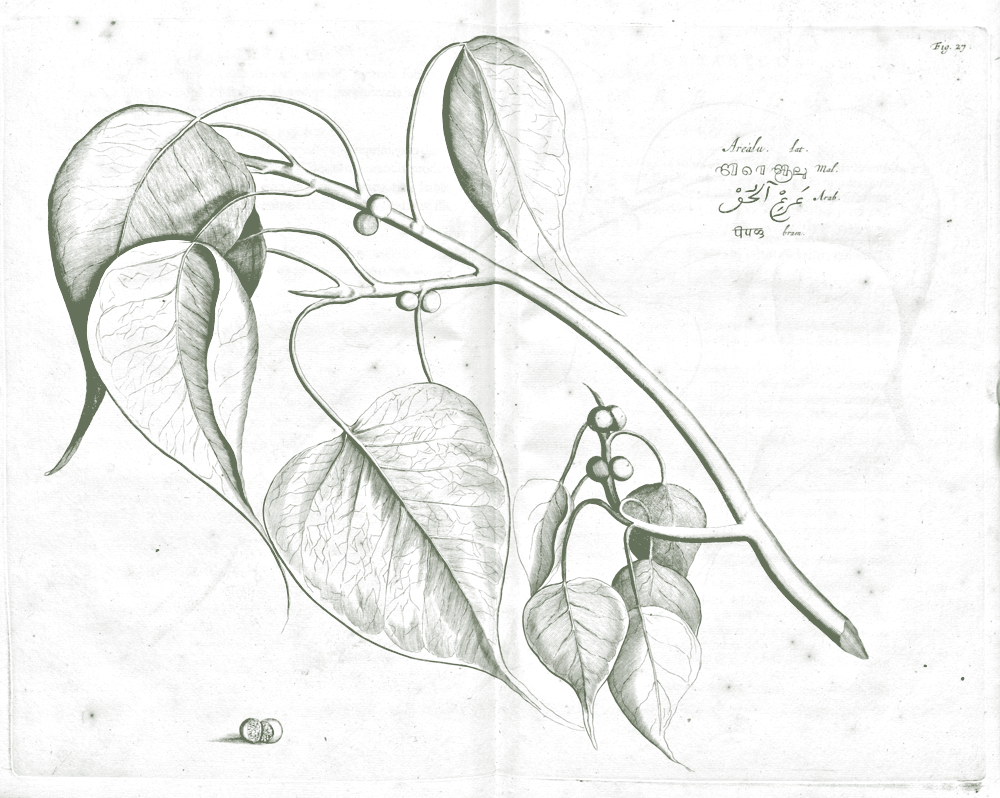
when examining fig trees,
no flowers,Vicinaṁ pupphamivā udumbaresu;
sloughs off the near shore & far—So bhikkhu jahāti orapāraṁ,
as a snake, its decrepit old skin.Urago jiṇṇamivattacaṁ purāṇaṁ.
who has thus gone beyond
becoming & not-,Itibhavābhavatañca vītivatto;
sloughs off the near shore & far—So bhikkhu jahāti orapāraṁ,
as a snake, its decrepit old skin.Urago jiṇṇamivattacaṁ purāṇaṁ.
well-dealt with inside
without leaving a trace,Ajjhattaṁ suvikappitā asesā;
sloughs off the near shore & far—So bhikkhu jahāti orapāraṁ,
as a snake, its decrepit old skin.Urago jiṇṇamivattacaṁ purāṇaṁ.
transcending all
sloughs off the near shore & far—So bhikkhu jahāti orapāraṁ,
as a snake, its decrepit old skin.Urago jiṇṇamivattacaṁ purāṇaṁ.
knowing with regard to the world
that “All this is unreal,”Sabbaṁ vitathamidanti ñatva loke;
sloughs off the near shore & far—So bhikkhu jahāti orapāraṁ,
as a snake, its decrepit old skin.Urago jiṇṇamivattacaṁ purāṇaṁ.
without greed, as “All this is unreal,”Sabbaṁ vitathamidanti vītalobho;
sloughs off the near shore & far—So bhikkhu jahāti orapāraṁ,
as a snake, its decrepit old skin.Urago jiṇṇamivattacaṁ purāṇaṁ.
without aversion, as “All this is unreal,”Sabbaṁ vitathamidanti vītadoso;
sloughs off the near shore & far—So bhikkhu jahāti orapāraṁ,
as a snake, its decrepit old skin.Urago jiṇṇamivattacaṁ purāṇaṁ.
without delusion, as “All this is unreal,”Sabbaṁ vitathamidanti vītamoho;
sloughs off the near shore & far—So bhikkhu jahāti orapāraṁ,
as a snake, its decrepit old skin.Urago jiṇṇamivattacaṁ purāṇaṁ.
14The monk in whom
—the roots of unskillfulness totally destroyed—Mūlā ca akusalā samūhatāse;
sloughs off the near shore & far—So bhikkhu jahāti orapāraṁ,
as a snake, its decrepit old skin.Urago jiṇṇamivattacaṁ purāṇaṁ.
15The monk in whom
that would lead him back to this shore,Oraṁ āgamanāya paccayāse;
sloughs off the near shore & far—So bhikkhu jahāti orapāraṁ,
as a snake, its decrepit old skin.Urago jiṇṇamivattacaṁ purāṇaṁ.
16The monk in whom
that would act as a cause
for binding him to becoming,Vinibandhāya bhavāya hetukappā;
sloughs off the near shore & far—So bhikkhu jahāti orapāraṁ,
as a snake, its decrepit old skin.Urago jiṇṇamivattacaṁ purāṇaṁ.